Concreting quotes across the Sunshine Coast QLD 📞 0482 392 415

Exposed Aggregate Sunshine Coast

Non-slip, salt-tolerant exposed aggregate for driveways, paths, courtyards and pool surrounds, from the coastal strip beaches north to Coolum Beach and Peregian and south to Caloundra. Tell us about your job and we will get you a quote from a concreter who does this finish locally.

Exposed aggregate is the finish that fits the Coast. It washes back the top skin of the concrete to reveal the stone underneath, which gives grip underfoot when the surface is wet, hides marks and leaf stains, and copes with sandy, salty foot traffic far better than a smooth trowelled slab. That is why you see so much of it around Coast pools and beach houses.

  • Grippy underfoot when wet
  • Pool surrounds & beach houses
  • Driveways, paths & courtyards
  • Free, no-obligation quotes

Get a Free Quote

* Indicates required field

Why Exposed Aggregate Suits the Coast

If you walk around the newer builds at Coolum Beach, Marcoola or Peregian Beach, you will notice the same finish on driveway after driveway and around most of the pools: a speckled, pebbly surface rather than plain grey. That is exposed aggregate, and it has become the default coastal finish for good reasons that go beyond looks.

The first is grip. A steel-trowelled slab is glassy smooth, and on a sloped Coast driveway or a wet pool surround that is a hazard. Exposing the aggregate leaves the stone standing slightly proud of the surface, which gives bare feet and car tyres something to hold. Around a pool at Nambour or Wurtulla, where people are walking out of the water all summer, that matters. The second is how it wears. The surface you see is hard river stone and crushed rock, not a thin cement skin, so it copes with sandy foot traffic, dragged pool furniture and the general grit of beachside living without scuffing up the way a smooth topping does. The third is that it hides marks. Leaf stains from the gums around Buderim and Palmwoods, the odd oil drip, general dirt, all of it disappears into the texture instead of showing on a flat grey face.

There is a salt angle too. Near the water the air is salt-laden, and that salt is what drives surface spalling and rust in the reinforcement over time. Exposed aggregate does not make concrete salt-proof on its own, but a well-made aggregate slab with the right mix, proper cover over the steel and a decent sealer holds up well in a coastal setting, and the textured surface disguises the small imperfections that a smooth slab would put on show.

How the Finish Is Made

Choosing the stone

Exposed aggregate is a normal reinforced slab with a decorative stone mix through it. The look comes down to the aggregate you pick: the colour of the stone, the size of the pebbles and the shade of the cement around them. A pale mix with quartz and lighter pebbles suits a beach house at Kawana Waters or Golden Beach and stays cooler underfoot in summer, which is worth thinking about around a pool. Darker granite and river stone mixes read more solid and hide dirt even better. Your concreter can show you sample boards so you are choosing off the real thing rather than a photo.

Because the stone is what you see, the mix has to be spread and worked evenly through the pour so the finished surface is consistent and not blotchy. That is a skill, and it is where an experienced coastal crew earns their keep.
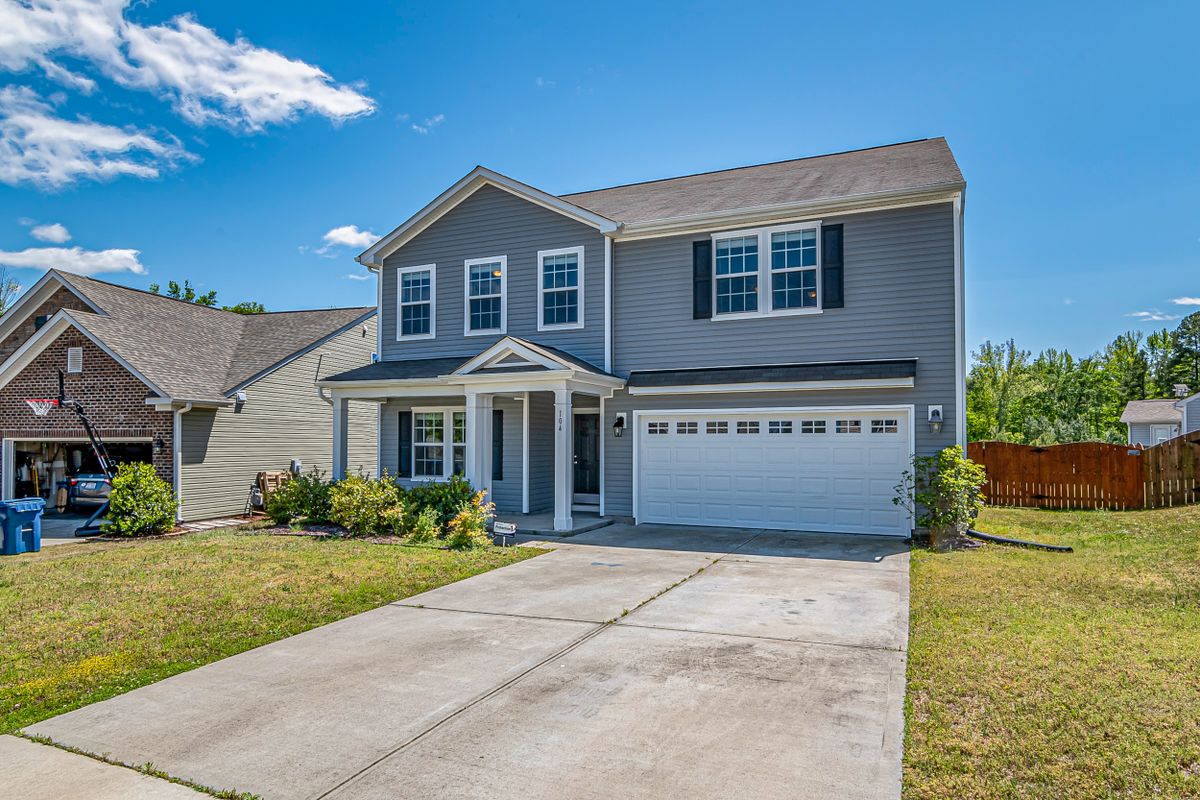
Concrete driveway on the Sunshine Coast

Washing back the surface

Once the slab is placed and levelled, the crew works the stone just below the surface and then removes the thin top layer of cement paste to reveal it. There are two common ways this is done. A surface retarder can be sprayed on so the top skin stays soft while the concrete underneath sets, then it is washed off the next day to expose the stone cleanly. On smaller jobs the surface can be washed back by hand with water and a brush at the right moment. Timing is everything with either method. Too early and you wash out the stone, too late and the paste has locked in. Getting that window right on a hot, windy Coast day, when the slab is drying faster than it would inland, is exactly the sort of local judgement that separates a clean finish from a patchy one.

Sealing and upkeep

Exposed aggregate is nearly always sealed once it has cured. The sealer deepens the colour of the stone, makes the surface easier to hose down, and adds a layer of protection against salt, stains and the sun. On the Coast, where the surface cops sun, salt and pool splash, the sealer takes a beating and gets topped up every few years to keep the finish looking wet and rich rather than dry and dull. Your concreter will tell you which sealer suits your spot and how often to redo it. A slip-resistant additive can go into the sealer around pools if you want extra grip.

Where It Works Best

Exposed aggregate earns its place in a few spots around the Coast in particular:

If you want the coastal look without the full aggregate, coloured and stencilled finishes are worth a look, and if the job is a driveway first and a finish second, start with our concrete driveways page.

📞 Call for an exposed aggregate quote

Exposed Aggregate FAQs

Is exposed aggregate slippery around a pool?

It is one of the less slippery concrete finishes, which is a big part of why it is so common around Coast pools. The stone stands slightly proud of the surface and gives bare feet grip when the surround is wet. If you want extra security you can add a slip-resistant additive to the sealer. It is a much safer choice underfoot than a smooth trowelled slab.

Does exposed aggregate handle the salt air near the beach?

A well-made aggregate slab holds up well in a coastal setting. It comes down to the same fundamentals as any coastal concrete: the right mix, enough cover over the reinforcement, and a good sealer kept topped up. The textured surface also hides the small marks that salt and sun would show on a plain grey slab, so it tends to look better for longer near the water.

How often does it need resealing on the Coast?

Every few years is a fair guide, though a surface that cops full sun, salt and pool splash may want it sooner. The sealer is what keeps the stone looking rich and makes the surface easy to hose down, so topping it up is the main upkeep. Your concreter will suggest a schedule based on where your slab is and how exposed it is.

Can I get exposed aggregate on an existing driveway?

Exposed aggregate is created in the pour itself, so it cannot simply be applied to an existing slab. If your current concrete is sound but tired, a decorative resurfacing overlay can give you a fresh look without a new pour. If you want the genuine aggregate finish, that means a new slab.

Do I still need council approval for an aggregate driveway?

The finish does not change the rules. The slab on your own land generally does not need approval, but the vehicular crossing where the driveway meets the road does need Sunshine Coast Council approval to its own specification. Sort that out early with your concreter.

📞 Call Now Get a Quote